 ← Back to site
← Back to site
← Back to site
Biochar is a carbon-rich material made by heating crop and wood residue with little or no oxygen, a process called pyrolysis. It has uses in soil and other materials. Its performance and carbon-storage potential depend on how it is made and used.
When biomass is heated without oxygen, it doesn't burn to CO₂ — instead, much of its carbon is locked into a solid that looks like fine charcoal and resists breaking down for a long time. That solid is biochar. The same process also releases gases and oils (syngas and bio-oil) that can be captured for heat and power, so a well-run pyrolysis unit is both carbon-storing and energy-producing.
Biochar can retain carbon for longer than the original residue. Persistence varies with feedstock, production conditions and final use; a project's carbon-removal claim needs its own evidence.
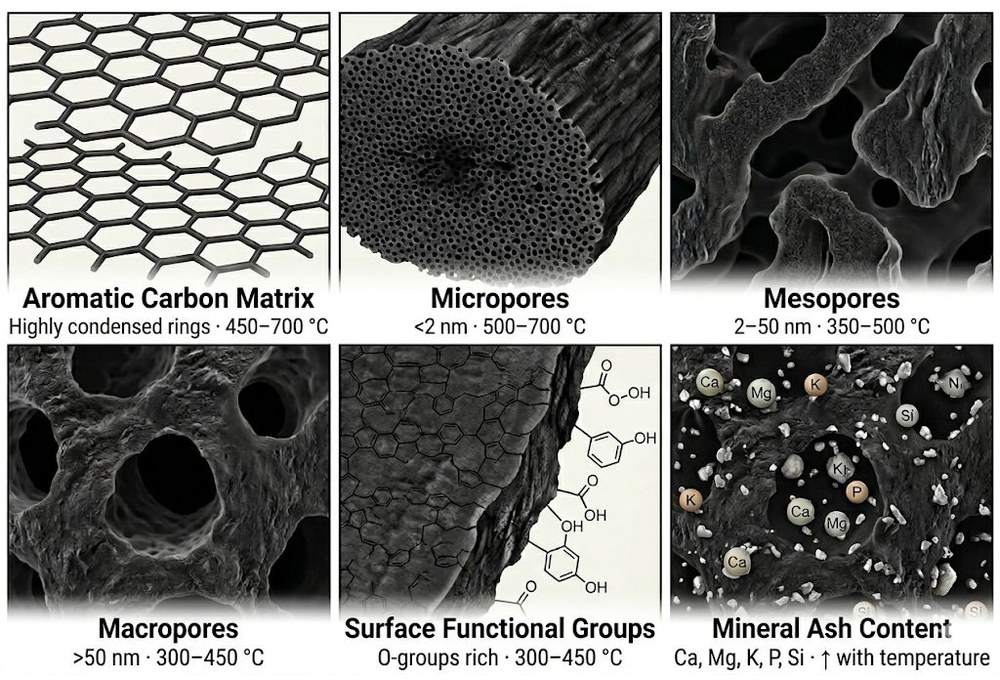
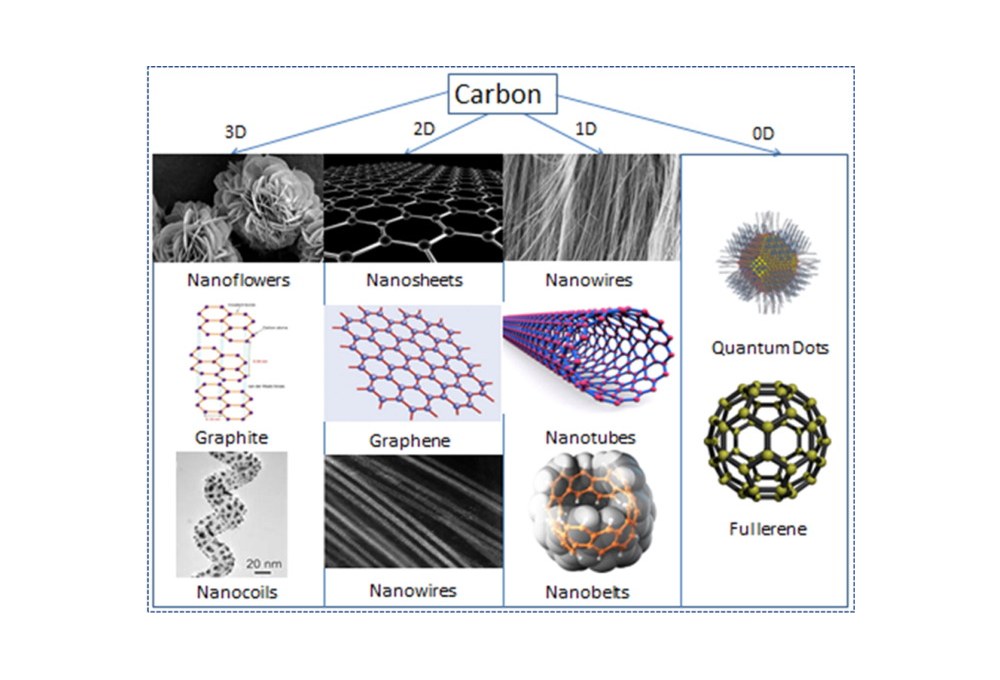
These uses depend on material quality and application. They are not performance claims for Carbotor products.
As a soil amendment, biochar can help soil hold water and nutrients. Results vary with soil, crop, feedstock and application rate. Mixing it with compost is one approach; suitability needs site-specific assessment.
Biochar has uses in animal bedding and manure or compost management. Suitability depends on the material and the intended use. This guide does not recommend biochar as an animal-feed ingredient.
Activated carbon — much of it made from biomass such as coconut shell and wood — is a standard material for treating drinking water and air. Biochar is also used to bind heavy metals in contaminated soils and reduce their uptake by plants.
Pyrolysis co-produces heat and fuel gases alongside the char. Biomass charcoal is also used as a renewable reductant in silicon and ferro-alloy production, and is being adopted to replace part of the coke used in steelmaking.
Biochar is recognised by the IPCC as a carbon-dioxide-removal (CDR) method. A project still needs evidence of its production process, carbon storage and final use before a claim can be independently reviewed.
In India, this is already happening with crop residue: developers such as Varaha have launched the country's first industrial-biochar removal credits, with offtake agreements from buyers including Google and Microsoft. The wider context matters too — durable carbon removal is still a small share of all carbon removal, and outcomes depend on rigorous measurement and verification.
Because biochar is essentially a versatile, porous carbon, researchers and early pilots are extending it into new industries. These uses are real areas of active work — but they are emerging, not settled, commercial products.
Biochar is being trialled as an additive in concrete and asphalt (to store carbon and tune performance) and in facade panels and plasters. Real pilots exist — but the benefit holds only at low dosages, and "carbon-negative concrete" remains early-stage rather than a standard building product.
Biochar-derived carbons are being researched for supercapacitor and battery electrodes, with promising lab results. Biomass-derived "hard carbon" is reaching early commercial use in sodium-ion batteries — though that is an engineered material distinct from ordinary biochar.
You'll see biochar mentioned alongside graphene, carbon black and even aerospace carbon fibre. Treat these with care: they are largely laboratory-stage, and some — like aerospace-grade carbon fibre — aren't a genuine fit for biochar at all. We flag them as possibilities, not today's reality.
Biochar works as a partial peat substitute in potting mixes (in modest blends) and is being adopted in stormwater filtration and for capturing fertiliser runoff — promising and increasingly used, but not yet standardised at scale.
These photographs show Carbotor's reference site in Kakinada, Andhra Pradesh: the pyrolysis line, feedstock handling and biochar. They do not establish production volumes or performance results.
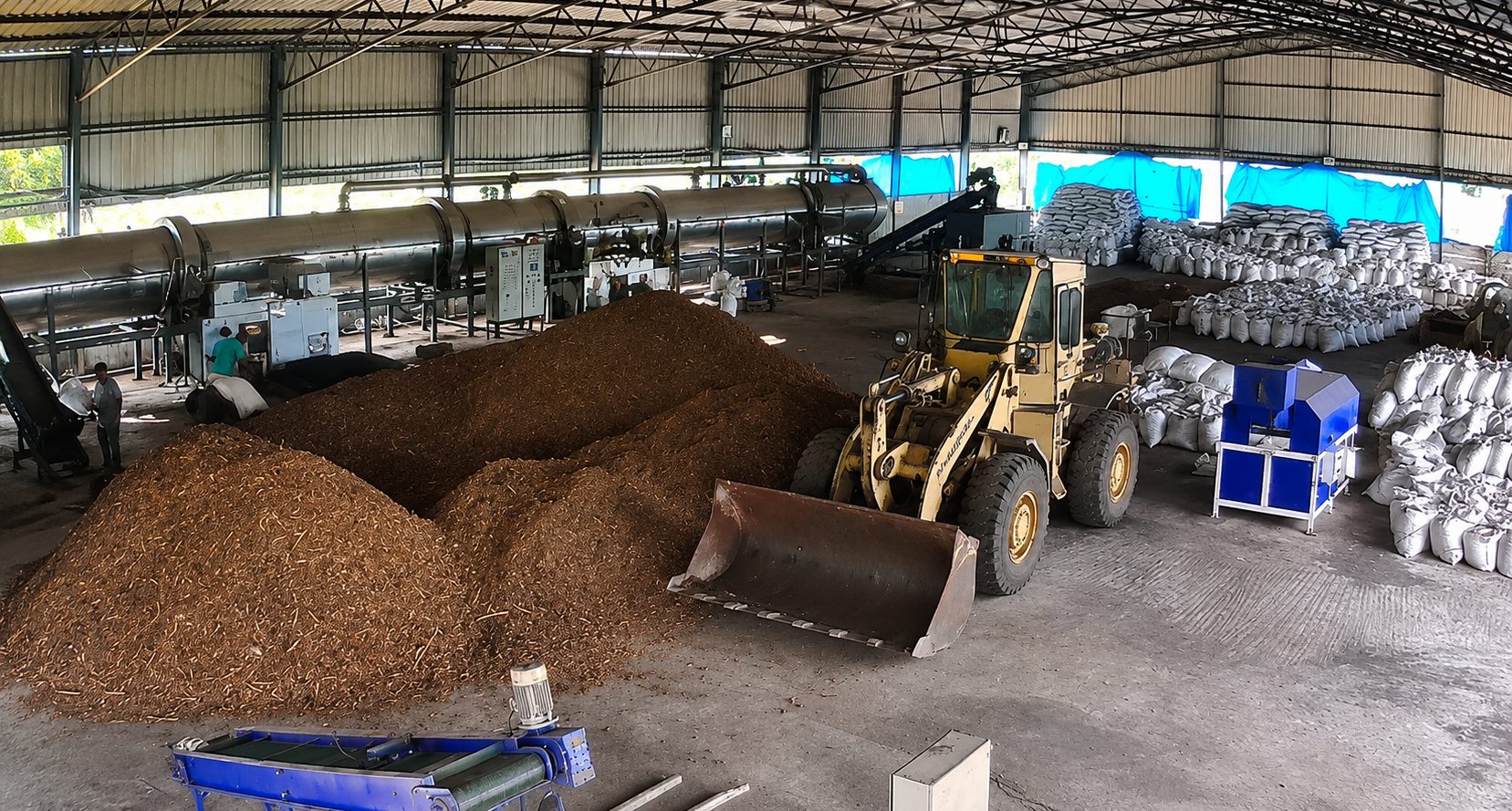
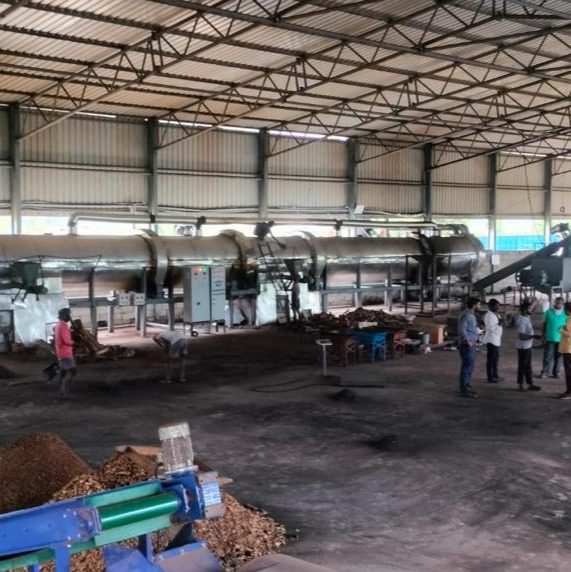
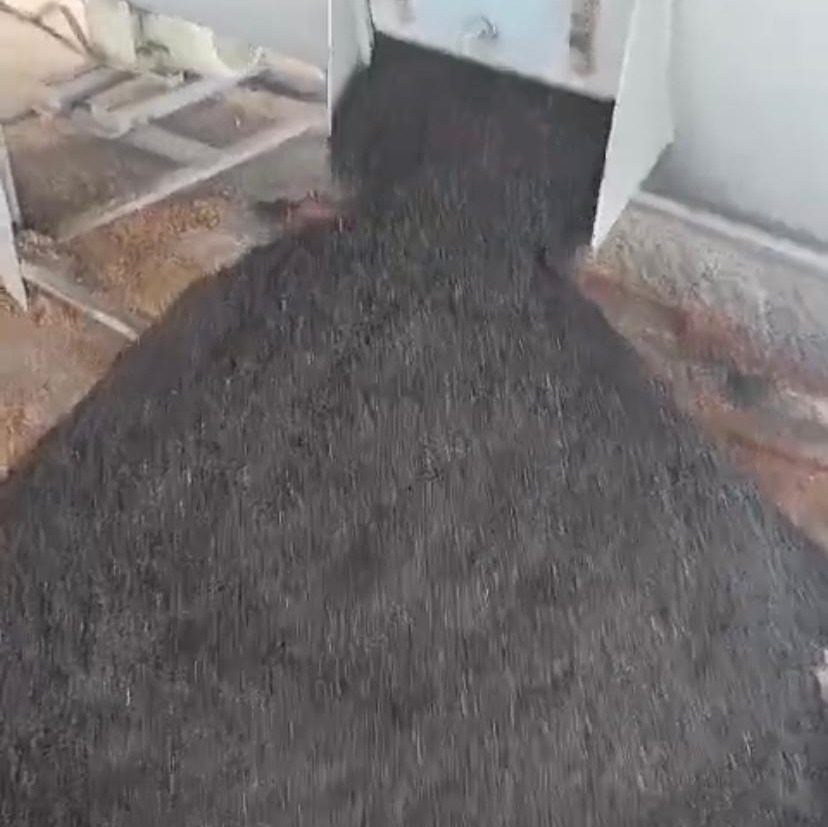
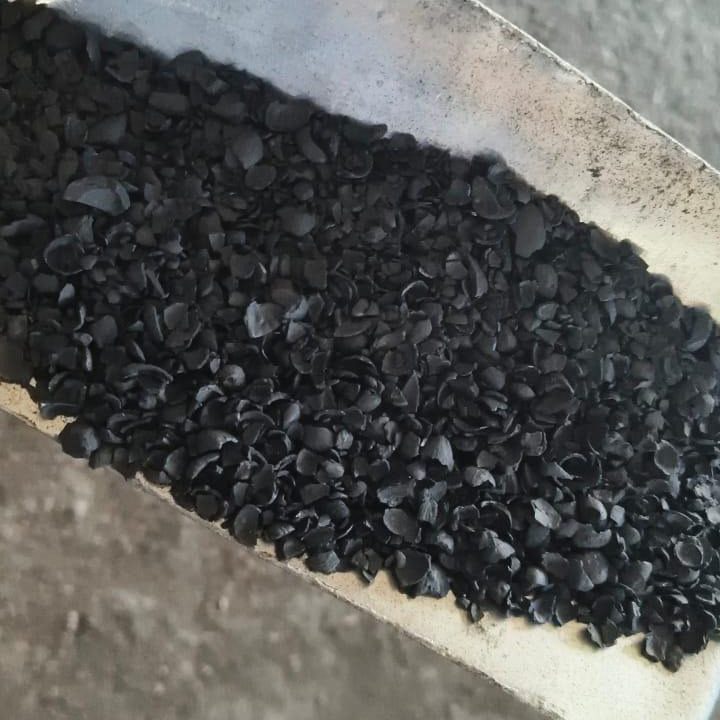
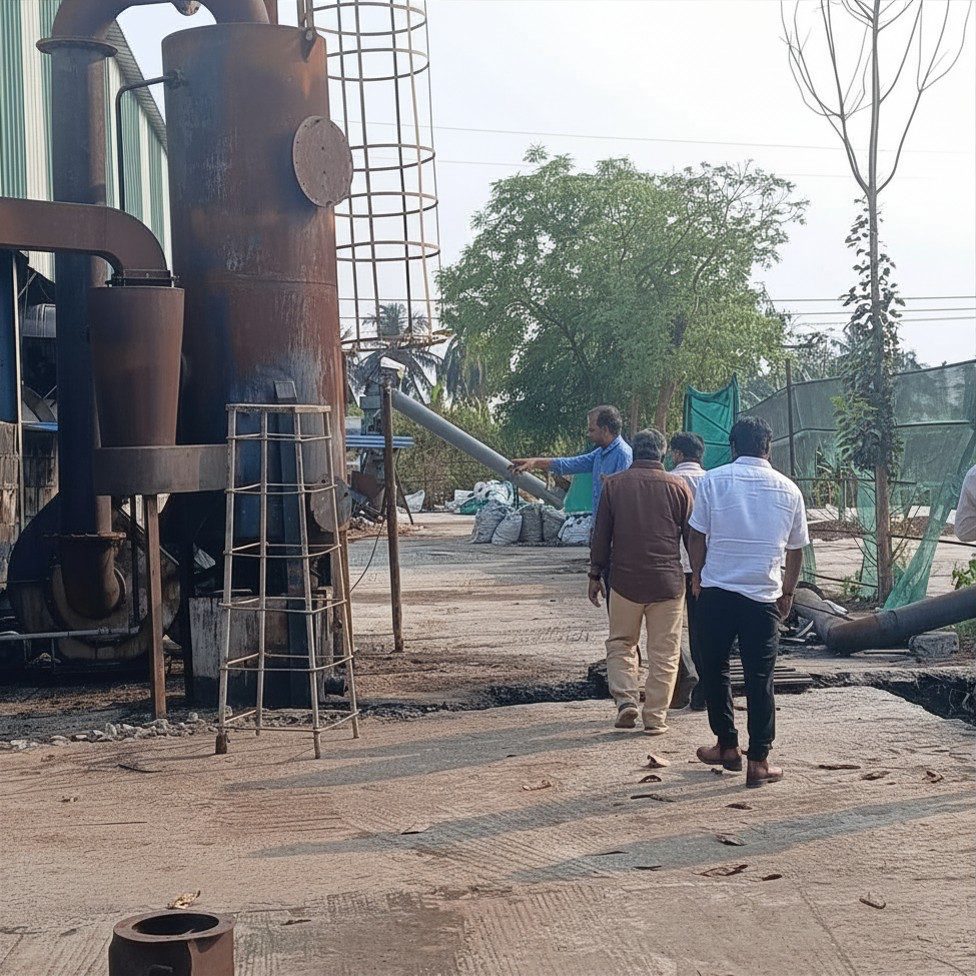
Carbotor makes biochar at the source. Akshaya Dhara field capture is in pilot: records start on the phone, timestamped, sealed and linked into one custody chain. Registry-ready claims are in preparation. The emerging uses above are not Carbotor product offers. Credit brokerage and sales of our own Kakinada biochar remain decisions pending.
Explore the CarboSource programme →Information on this page is provided for general understanding and is not a performance promise. Whether biochar delivers a given benefit depends on feedstock, production conditions, soil, crop and application. Carbon-credit eligibility, registry acceptance, and any revenue depend on applicable standards, project data, third-party verification, and market conditions — no carbon-removal or revenue outcome is guaranteed.
External links are provided for reference; Carbotor is not responsible for third-party content.